
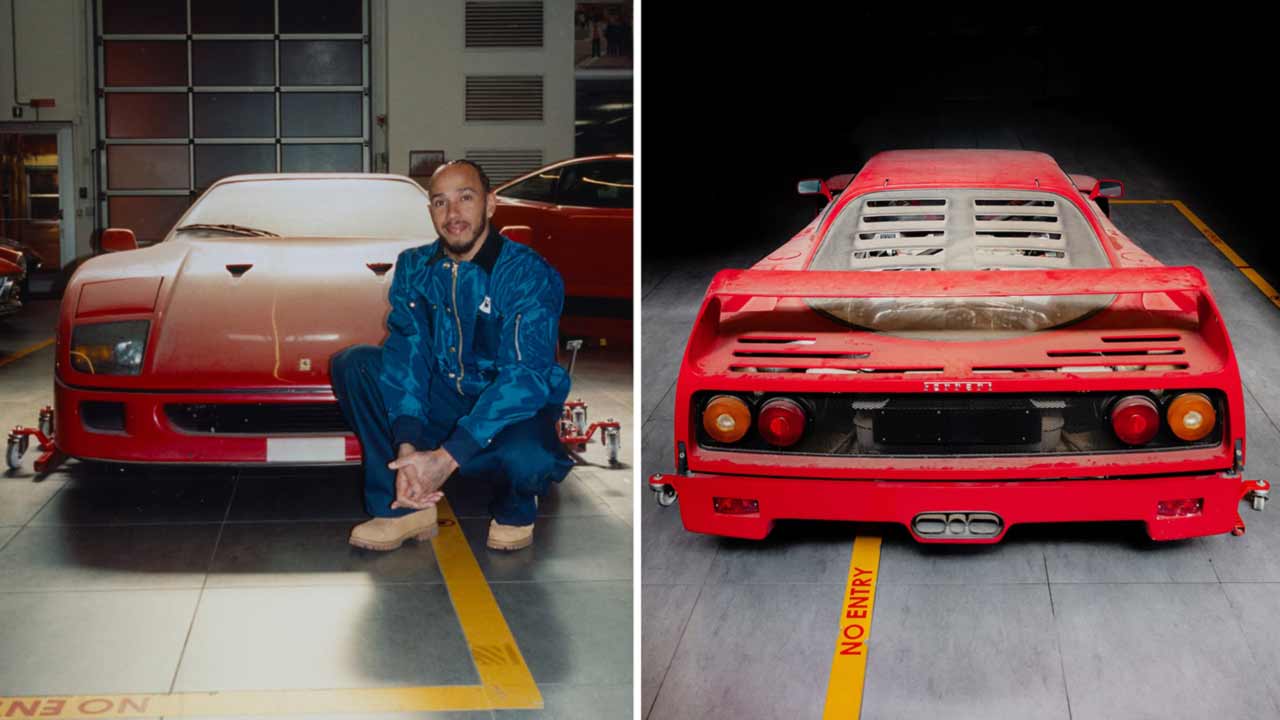
Lewis Hamilton has owned some of the most desirable cars on the planet, but his latest acquisition carries a different kind of significance. The driver has finally bought a Ferrari F40, a model he has admired since childhood, and the story behind the example he chose makes the purchase even more special.
According to Luxurylaunches, the F40 acquired by Hamilton had reportedly spent more than 30 years stored in a garage. When it was found, it was covered in a thick layer of dust. Rather than simply putting it back on the road, the seven-time world champion took the supercar to Maranello, where Ferrari specialists spent weeks working on its restoration.
The purchase also draws attention because Hamilton had sold his road-car collection in 2025, which was valued at approximately US$18 million. At the time, however, he had already made it clear that there was one model capable of convincing him to put a car back in his garage: the F40.
A Ferrari F40 forgotten for three decades
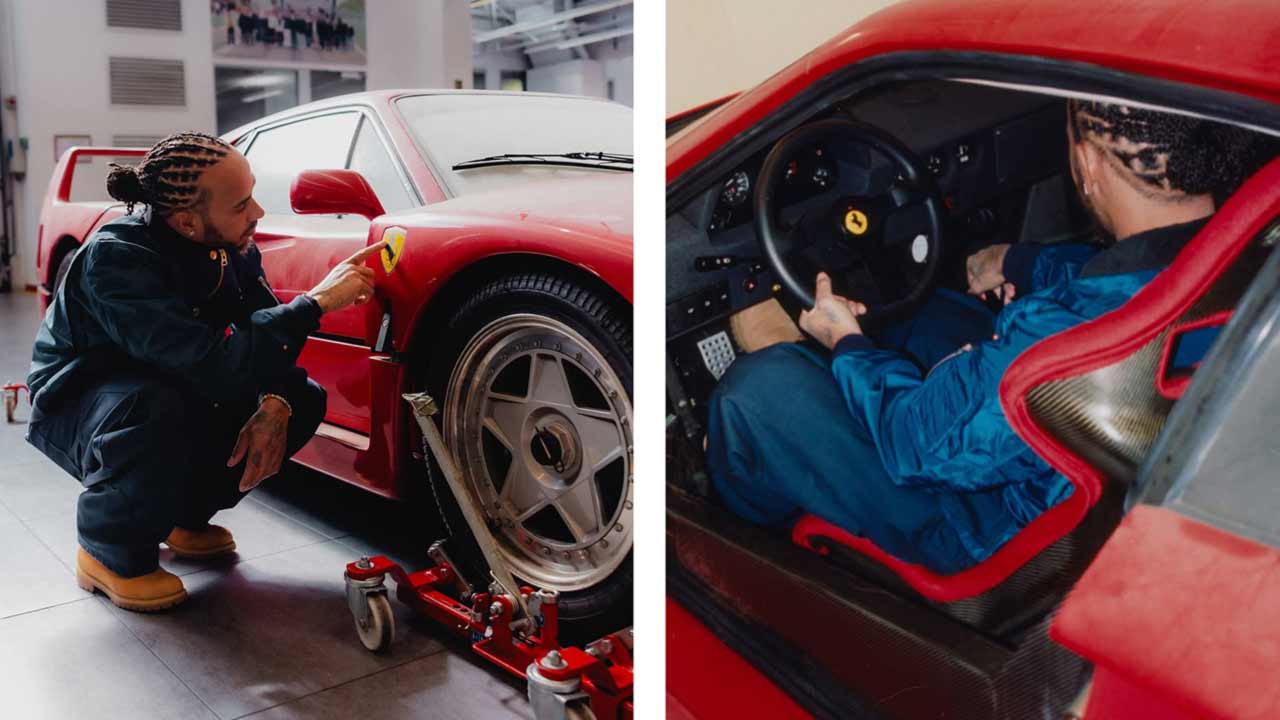
Hamilton revealed the acquisition on social media by publishing images of the Ferrari before and during the restoration process.
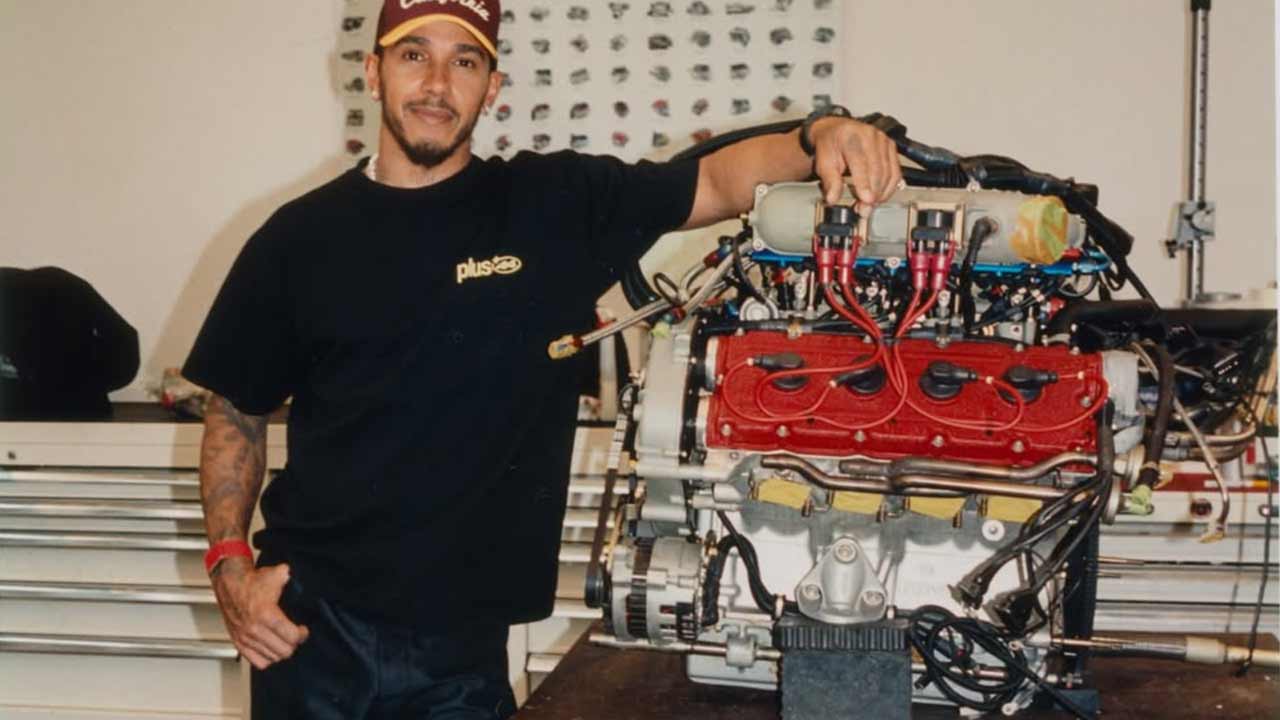
The photographs showed the sports car still covered in dust and later in the hands of the professionals responsible for returning the classic to the best possible condition. The work included an extensive mechanical overhaul, including removal of the engine.
Despite the images, some of the most interesting details about the car remain a mystery. The chassis number, mileage, former owners and even the price paid by Hamilton have not been disclosed.
Hamilton had already driven another F40 in Japan
The story has an interesting twist because, months before the purchase, Lewis Hamilton attracted attention when he appeared with a red Ferrari F40 in Tokyo.
The car seen on that occasion belonged to Japanese collector Takeshi Kimura. Hamilton made it clear that he did not own that particular example, despite showing his admiration for the model.
Now, the situation has changed: he finally owns an F40 of his own.
Why did the Ferrari F40 become so desirable?
Unveiled in Maranello on July 21, 1987, the F40 was created to celebrate Ferrari’s 40th anniversary. The model also holds special historical significance: it was the last new Ferrari presented in the presence of Enzo Ferrari before his death the following year.
Its design prioritized performance and low weight rather than comfort. Beneath the Pininfarina-designed body is a 2,936 cc twin-turbo V8 engine capable of producing approximately 471 hp in European specification, paired with a five-speed manual transmission.
The F40 weighed approximately 1,254 kg and used materials such as Kevlar, carbon composites and aluminum. Features now considered commonplace in sports cars were absent: there was no ABS, traction control or power steering. Even equipment such as a radio and carpeting was considered unnecessary.
Ferrari initially planned to build only 400 units, but production ultimately ended with 1,311 road-going examples, according to figures cited by the publication.
From a childhood dream to a Ferrari in the garage
Hamilton’s choice could hardly be more symbolic. In 2025, after selling his collection, the driver said that if he ever bought another car, it would be an F40, a model he even described as a work of art.
During the same period, he also mentioned the possibility of developing a Ferrari inspired by the F40. The hypothetical project was named F44, a reference to the number 44 used by the driver, and among its desired features would be a manual transmission.
For now, that project remains only an idea. The real F40, however, is already in Hamilton’s garage.
After decades of dreaming about one of Maranello’s most iconic automobiles, Lewis Hamilton did not simply choose a pristine example available on the market. He found a Ferrari that had been dormant for decades and turned to the Italian manufacturer itself to bring it back to life — a story worthy of one of the most legendary supercars ever produced.
Source: Luxury Launches | Instagram @lewishamilton. This content was created with the help of AI and reviewed by the editorial team.