
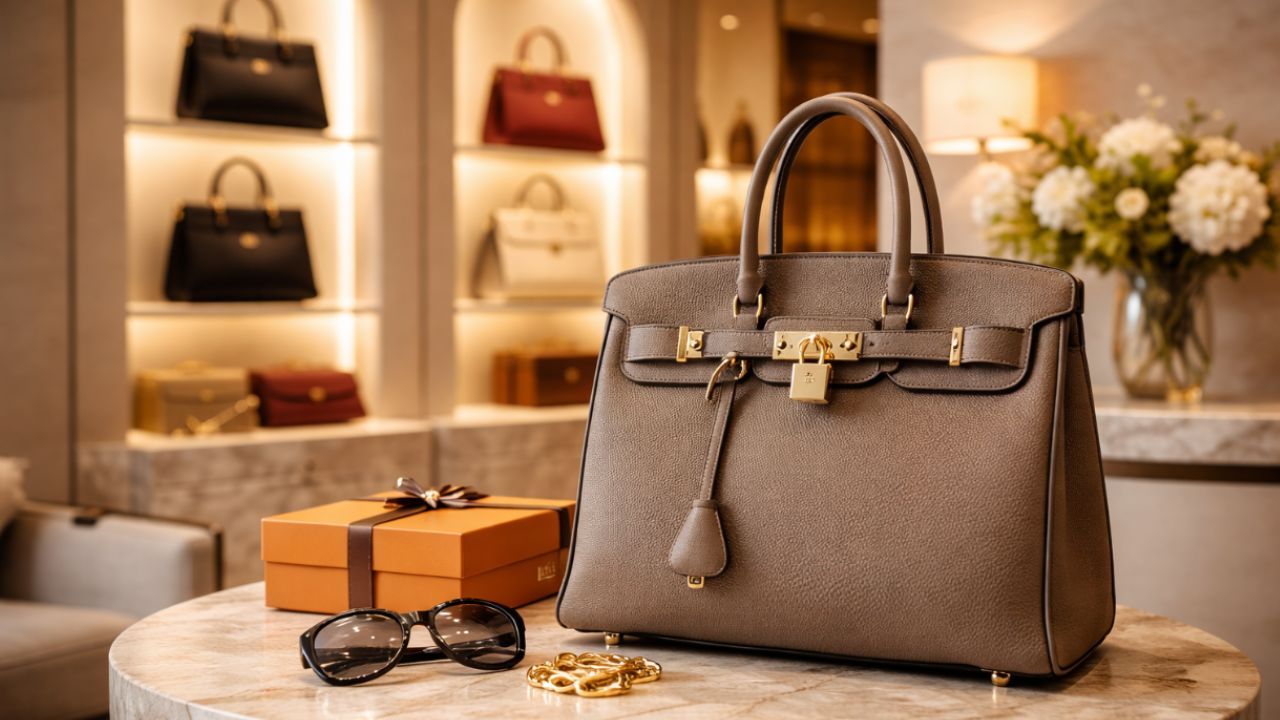
In a storyline that seems to come straight out of Black Mirror, Hermès has elevated the purchase of a handbag to the level of an almost philosophical experience — and, for many, a deeply frustrating one.
+ How a $3 shopping bag became a symbol of luxury
Buying a Birkin or a Kelly is not just a commercial transaction. It is a process. A ritual. And, for some, a polite refusal.
Unlike what happens with most luxury brands, where purchasing power guarantees immediate access, Hermès has inverted the logic: it is not the customer who chooses the bag, but the bag that chooses the customer.
The luxury of absolute scarcity
Hermès’ most iconic bags are produced in limited quantities, handcrafted with the time and care the brand is determined to preserve. This scarcity is not merely operational — it is strategic.
By restricting access, Hermès turns each Birkin into the ultimate symbol of quiet status. It is not just about price, but about belonging to a very specific universe.
+ How a US$3 shopping bag became a symbol of luxury
The “Hermès Game” no one confirms — but everyone knows
In the luxury market, there is an unofficial yet widely accepted term: The Hermès Game. It describes a set of unwritten practices that determine who, when, and whether someone will gain access to an iconic bag.
There are no forms, public lists, or declared rules. Even so, some factors are widely recognized:
- a consistent purchase history with the brand
- an ongoing relationship with sales associates
- alignment with the Hermès aesthetic and style
- discreet, elegant behavior consistent with the maison’s universe
The purchase of scarves, shoes, jewelry, and even home décor items often precedes the long-awaited bag offer. Nothing is promised. Nothing is guaranteed.
Evaluation or social reading?
Stories circulate of clients being evaluated on everything — from the neighborhood they live in to their social media presence. Officially, Hermès has never confirmed any kind of formal analysis of this sort. There is no evidence of an active system for checking personal or digital life.
What does exist is something subtler: a social and symbolic reading. In ultra-luxury boutiques, sales associates are trained to perceive behavior, cultural capital, posture, and affinity with the brand. It is not an algorithm — it is cultural capital in action.
The art of the elegant refusal
Rarely does anyone hear a direct “no.” The refusal is wrapped in gentle phrases:
- “at the moment, we don’t have availability”
- “we will keep your interest on file”
- “perhaps on a future visit”
The refusal is part of the experience. It preserves desire, reinforces the invisible hierarchy, and keeps intact the aura of inaccessibility that sustains the myth.
Why does this fascinate so much?
Because this model subverts the contemporary logic of instant consumption. In a world where everything is one click away, Hermès demands time, patience, and consistency. It sells something even rarer than exotic leather: a sense of belonging.
This is precisely where the comparison with Black Mirror makes sense — the feeling of being watched, evaluated, chosen. And this is where Carrie Bradshaw enters the scene: the desire, the symbolism, and the narrative surrounding an object far beyond its function.
In the end, it’s not just a bag
The Birkin is not merely an accessory. It is a social marker, a silent code, an object that carries more history than utility. By turning the customer into someone who must be approved, Hermès redefines luxury not as ownership, but as recognition.
And perhaps that is exactly why, even in the face of polite refusals, desire only grows.
This content was created with the help of AI and reviewed by the editorial team.