
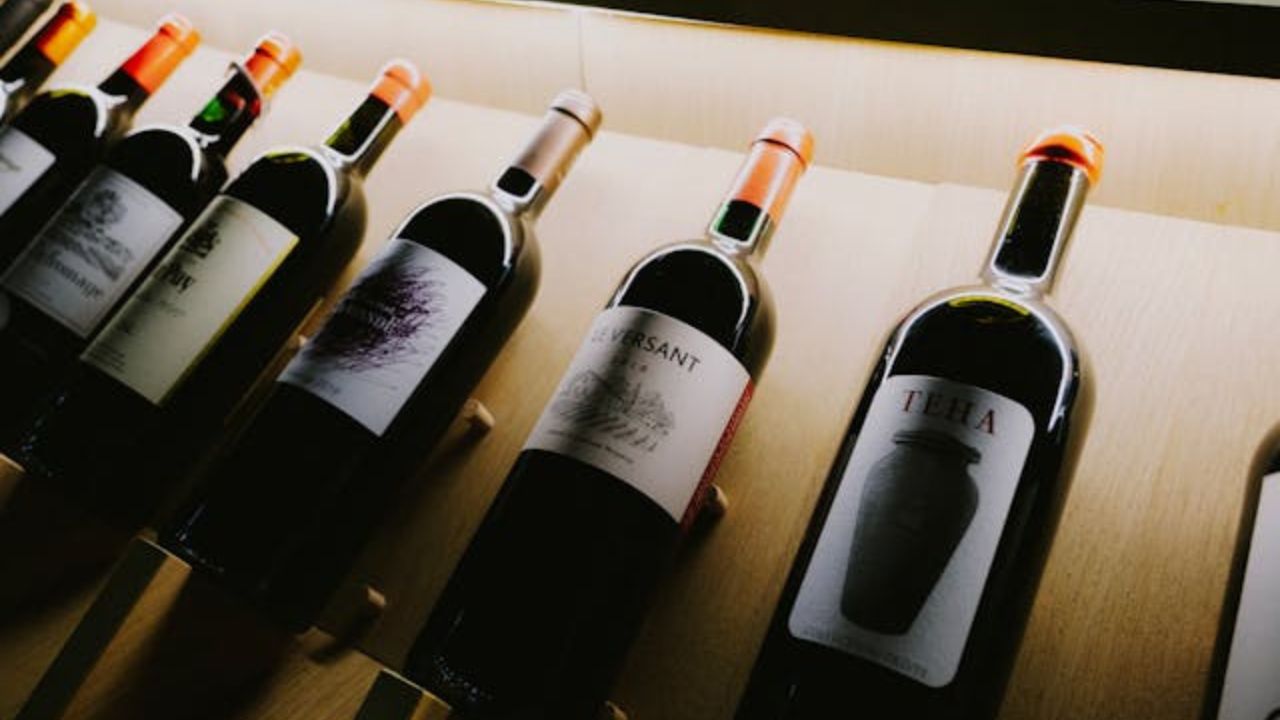
If you have a rare or valuable bottle of wine in your collection and wish to sell it, it’s essential to follow some strategic steps to ensure a good deal.
The collectible wine market is booming, and finding the right buyer can be easier than you think – as long as you know how to assess, price, and sell correctly.
1. Evaluate the Value of Your Bottle
Before listing your bottle for sale, it’s essential to understand its real value in the market. Several factors determine the price of the wine:
- Vintage – Wines from exceptional vintages are more valuable.
- Producer and Region – Wines from Bordeaux, Burgundy, Tuscany, and Napa Valley are often highly sought after.
- Condition – Proper storage in climate-controlled and horizontal conditions preserves quality and increases the wine’s value.
- Rarity and Demand – Limited or discontinued bottles are more valuable to collectors.
Tip: Check specialized sites like Wine-Searcher or contact a sommelier or wine auctioneer for a more accurate valuation.
2. Choose the Best Platform for Sale
There are several ways to sell a collectible wine, each with its advantages:
Online Platforms
- Wine-Searcher and Liv-Ex – Ideal for rare wines and auctions.
- Mercado Livre, eBay, and Enjoei – Options for direct sales to consumers.
- Collector groups on social media – Enthusiast communities can offer good opportunities.
Auction Houses
- Companies like Sotheby’s, Christie’s, and Zachys hold auctions for rare wines and can secure a high price.
Restaurants and Specialized Shops
- Some wine shops and restaurants buy bottles directly, but usually offer a lower price than the final market.
Tip: If you’re not in a rush, auctions tend to fetch higher prices, as buyers compete against each other.
3. How to Price the Wine Correctly
Setting the right price increases your chances of a sale. To do this:
- Research recent sale prices for the same vintage and producer.
- Consider the bottle’s condition, label, and liquid level (the less evaporation, the better).
- Account for platform fees and shipping when calculating the final price.
Tip: In private sales, you can negotiate directly with buyers and avoid platform fees.
4. Take Care of Packaging and Shipping
Transporting wine requires special care to avoid damage:
- Use specialized wine bottle boxes with internal protection.
- Avoid shipping on very hot days to preserve quality.
- Include authenticity documentation, if available.
5. Promote Your Bottle Professionally
A good description and quality images increase your chances of selling quickly:
- Take clear photos of the bottle, label, and cork.
- Describe important details like vintage, winery, storage, and expert reviews.
- Be honest about the wine’s condition, including any defects in the bottle or label.
Selling a bottle from your collection can be a great way to capitalize on an investment or make room for new acquisitions. With a good valuation, the right platform choice, and a competitive price, you can quickly find a buyer willing to pay a great price.
This content was created with the help of AI and reviewed by the editorial team.