
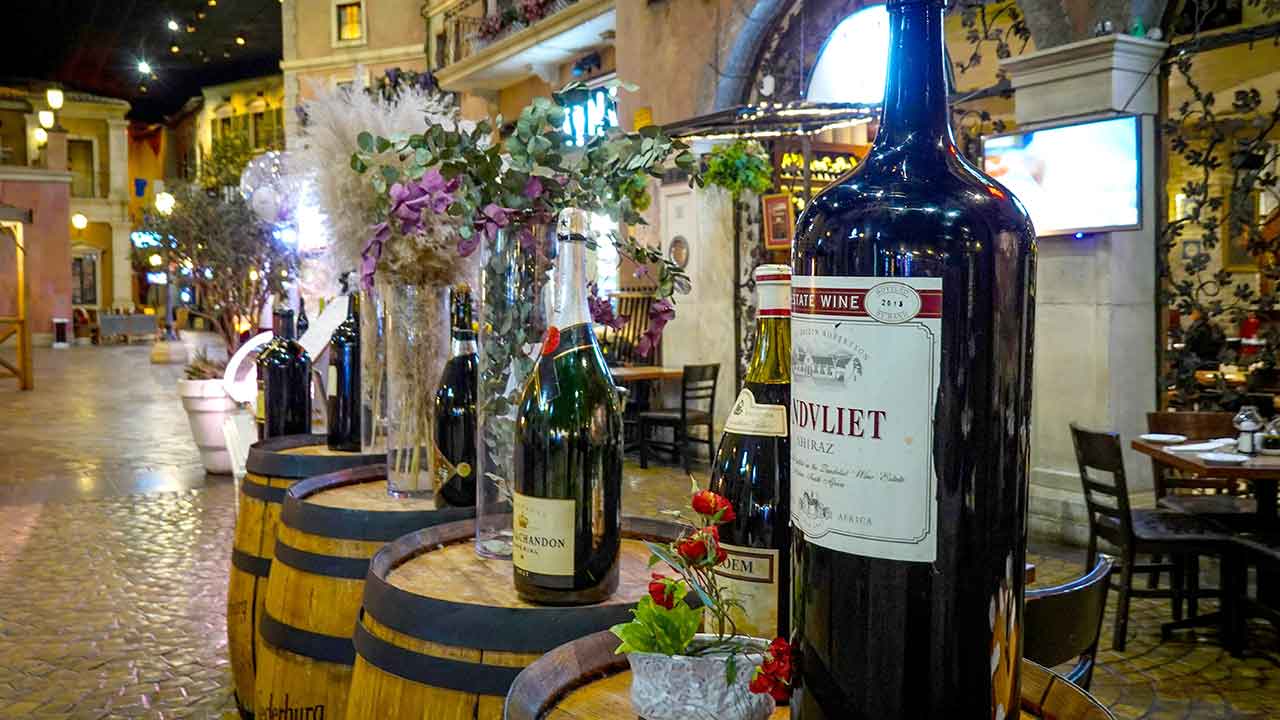
Knowing if a wine is good isn’t a talent reserved only for sommeliers and wine experts. With a few simple and effective tips, you can develop a more refined eye and learn to identify a quality wine even before opening the bottle.
Whether buying wine at the supermarket, in a wine shop, or receiving a glass at a restaurant, understanding the signs of a good wine makes all the difference in your experience.
+ Mark Zuckerberg’s $300 Million Mega Yacht Spotted in Greece
In this practical guide, you’ll learn how to know if a wine is good, with easy tips to apply—even if you’re a beginner in the wine world.
1. Check the label and origin
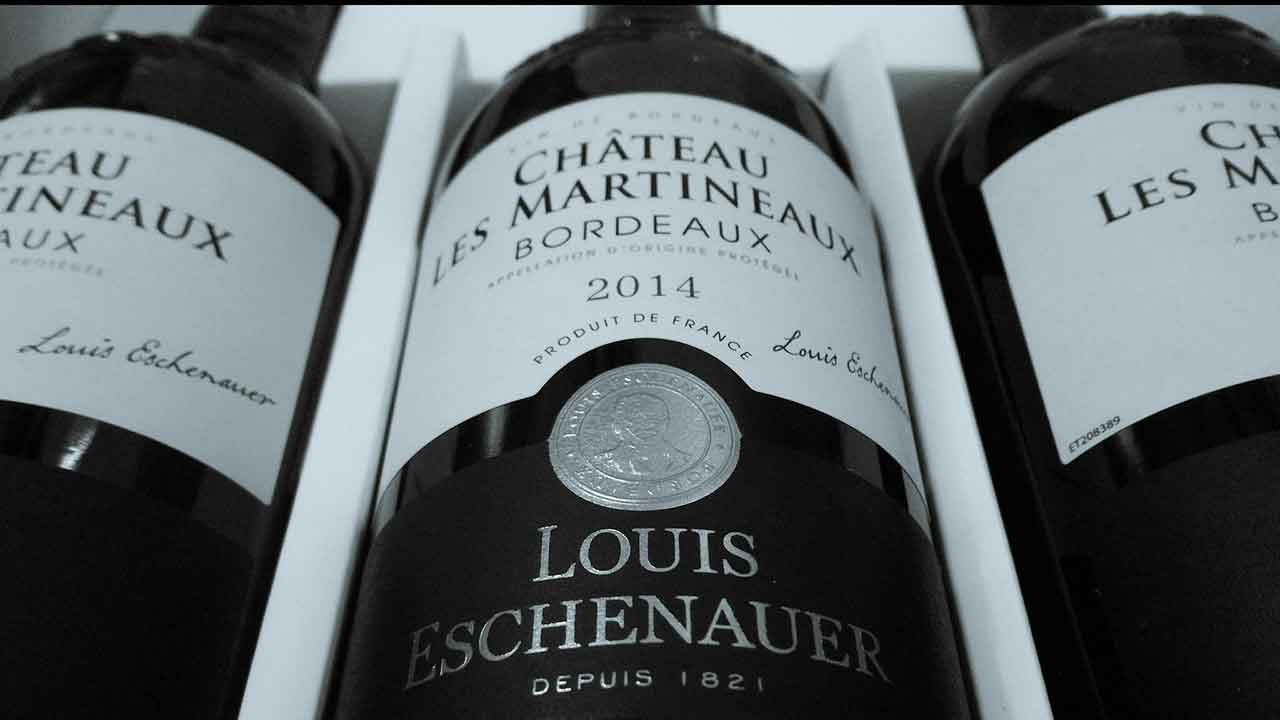 The first tip is to carefully observe the label. Information such as the region of origin, producing winery, grape type, and vintage year are important indicators. Traditional regions like Bordeaux, Tuscany, Mendoza, Douro, or Vale dos Vinhedos usually ensure a more reliable quality standard.
Also, very generic labels without detailed information may indicate industrial, lower-quality wines.
2. The vintage matters
Many people wonder if the vintage affects wine quality—and the answer is yes. A good vintage, especially in renowned wine regions, tends to result in better balance and complexity. In years with stable climate and healthy harvests, the outcome is a more expressive wine.
If possible, research the best years for the specific grape and region. For example, 2015 and 2016 were excellent for Bordeaux; 2020 for Argentine Malbecs; and 2018 for Italian wines.
3. Bottle and cork appearance
Before opening, check the bottle’s external appearance. Avoid those with leakage, stained labels, or corks pushed outward. The cork should be well fitted and not dry. A poorly sealed cork can compromise the taste and aroma.
If already served, observe the wine’s color in the glass. A good red usually has a vivid, bright, and intense hue, while a white should be clear, clean, and have golden or greenish reflections depending on the grape.
4. Aroma: the nose doesn’t lie
Your sense of smell is a powerful tool for evaluating wine quality. Gently swirl the glass, bring it to your nose, and detect the released aromas. A quality wine has a balanced bouquet, with fruity, floral, earthy, woody, or spicy notes depending on the style.
Avoid wines that smell like vinegar, wet cardboard, mold, or sulfur—these are signs of oxidation or fungal contamination.
5. Taste: balance is key
When tasting, observe the balance between acidity, tannins, alcohol, and sugar. A quality wine is harmonious, with well-integrated elements. It should coat the palate, leave a pleasant aftertaste, and have a long and persistent finish.
If the flavor is overly harsh, metallic, too sweet without balance, or fades quickly, it’s likely a lower-quality wine.
6. Price isn’t always a sign of quality
A common mistake is thinking that more expensive wines are always better. In reality, there are many good and affordable options on the market. Knowing trustworthy producers and smaller wineries can bring pleasant surprises. Less-known regions like Bulgaria, Uruguay, or inland Brazil offer excellent value for money.
The tip is to experiment and, whenever possible, consult expert reviews or reliable guides.
7. Prefer specialized wine shops
 If you’re still learning how to identify a good wine, avoid choosing only based on supermarket deals. Prefer buying from wine shops where you can talk to experienced staff who will suggest labels suited to your taste and budget.
Additionally, specialized stores usually store wine correctly, ensuring better preservation.
Knowing if a wine is good is about attention and practice
Knowing whether a wine is good involves a set of factors—from the label to the experience in the glass. With these simple and effective tips, you can avoid disappointment and refine your personal taste. Over time, your palate becomes more sophisticated, and you’ll choose quality wines with much more confidence—and enjoyment.
This content was created with the help of AI and reviewed by the editorial team.
