
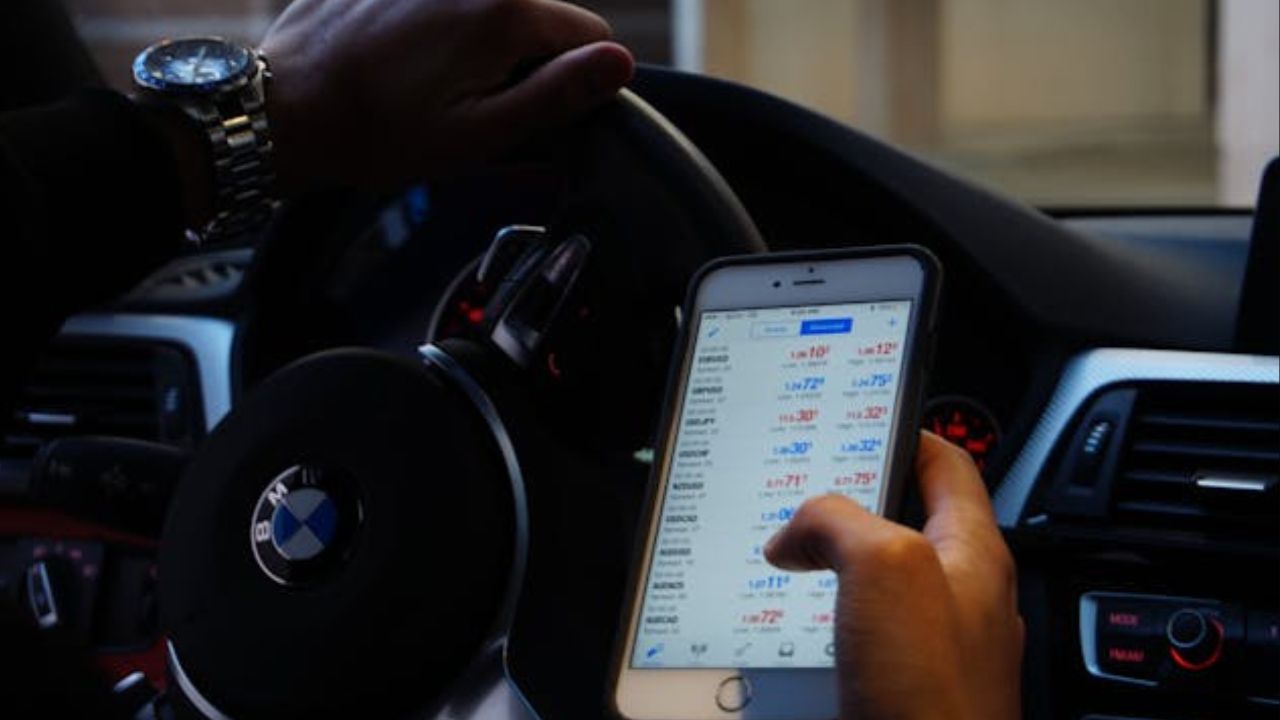
Have you ever noticed that some items are true trophies for the middle class, but go completely unnoticed by the very rich?
+ Fenomeno: Lamborghini launches its most powerful car in an exclusive and rare version
From the latest smartphones to clothes with huge logos, certain objects have become synonymous with “success” for those trying to appear wealthy — even if it takes a toll on their budget. Established billionaires and millionaires, however, take another route: they spend on what truly matters to them, often far from the spotlight.
Understanding this difference is not just interesting, but it also reveals a lot about how consumer behavior works and how flaunting changes according to income level.
1. Cutting-edge gadgets — the instant “must-have”
The endless pursuit of newly launched smartphones, laptops, and smart TVs is a classic middle-class flaunting move — even if the upgrade makes little real difference in performance. The rich, with consolidated purchasing power, prefer strategic purchases based on necessity and durability.
2. “Logomania” clothing and accessories
Outfits covered in oversized logos are the ultimate aspirational status symbol. Jackets, sneakers, and bags with visible branding are, for many, an almost automatic indicator of prestige. The truly wealthy, on the other hand, prioritize discretion — elegance without the need to “shout” the brand.
3. Luxury cars through financing
Owning an expensive car is a powerful status symbol. For the middle class, this often comes with long-term financing, overlooking costs such as maintenance, insurance, and taxes. The ultra-rich, meanwhile, buy effortlessly — often paying upfront — and don’t need to flaunt status through their car.
4. Shared travel experiences (literally)
“Instagrammable” or sophisticated destinations serve as showcases for an “elite” lifestyle. Many people finance glamorous trips or carefully curated posts just to project a life that doesn’t actually match their financial reality. The rich, in contrast, enjoy these experiences privately, without the need to share every detail.
5. Private education as a symbol of social ascent
Spending a large portion of income on expensive private schools for children is a common middle-class move, seen as a pathway to social mobility and networking. It’s less about quality and more about perceived status.
6. Dining at trendy restaurants and bars
Eating out at “trendsetter” spots is a clear form of flaunting. The middle class often prioritizes appearances — the ambiance and “who else will be there” — over the actual experience. The truly rich prefer quality, comfort, and privacy, without the need for ostentation or selfies with every dish.
Why does this happen? A theoretical perspective
Conspicuous consumption and Veblen goods
Concepts originally proposed by Thorstein Veblen show how certain social classes use expensive goods as public displays of status — a behavior often observed in the middle class, which seeks to differentiate itself from the less privileged.
Status affinity through social comparison
Studies suggest that the perception of status — often more psychological than economic — drives conspicuous behavior in those who see themselves as part of a social elite, even if they are not financially.
In the end, the difference between flaunting and truly having lies in the motivation behind the purchase. For much of the middle class, showing off certain items is a way to communicate status and gain social recognition, even if it means straining the budget.
The truly wealthy, however, understand that luxury doesn’t need to be broadcast: it is reflected in smart choices, discreet experiences, and investments that don’t require external approval. This distinction makes it clear that when it comes to consumption, real value is not in what we show to the world, but in what truly adds meaning to our lives.
This content was created with the help of AI and reviewed by the editorial team.